How to Sleep in a Chair: Recliner vs Bed and Side Effects
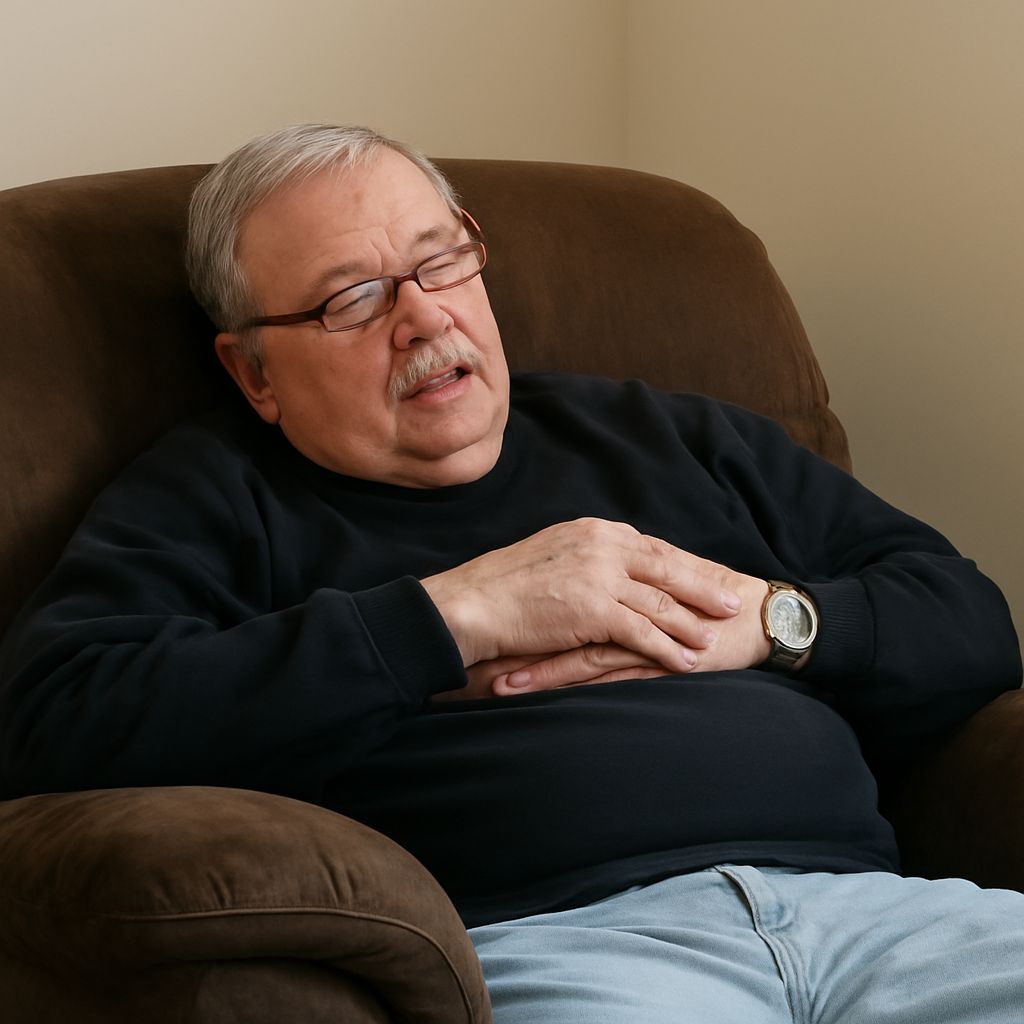
Whether driven by post-surgical instructions, acid reflux, or simple preference, knowing how to sleep in a chair without waking stiff and sore requires more than just reclining and closing the eyes. Sleeping in a chair dangers include leg edema, blood clots in long-duration sessions, and cervical strain from unsupported head positions. The comparison of sleeping in a recliner vs bed reveals that recliners offer genuine therapeutic advantages for certain conditions while creating problems for others. The question of why do i sleep better in a recliner than a bed has a real physiological answer involving diaphragm mechanics and venous return. And sleeping in a recliner side effects become more significant the longer the habit continues, particularly for adults over 60. The next steps section covers practical adjustments for safe, short-term chair sleeping.
Why Some People Sleep Better Reclined
Elevating the torso 30–45 degrees reduces pressure on the lower esophageal sphincter, which explains why people with GERD or hiatal hernias report dramatically better sleep quality in a recliner. The same elevation reduces venous return to the heart, which lowers cardiac preload and can help individuals with mild heart failure breathe more easily during sleep.
Obstructive sleep apnea also responds to elevation. The tongue and soft palate fall less toward the airway in a partially upright position, reducing apnea episodes by 20–40% in some studies compared to flat supine. This is why patients awaiting CPAP equipment or traveling without their machine often resort to recliner sleeping.
Musculoskeletal recovery is another driver. Post-operative patients after abdominal, cardiac, or thoracic procedures often cannot achieve comfortable supine positions in the first 1–2 weeks. A recliner provides an adjustable angle that can be dialed in to where incision tension is lowest.
Dangers and Side Effects of Chair Sleeping
Sleeping in a chair dangers begin to accumulate beyond 2–3 hours in a single position without leg elevation. The legs hang lower than the heart when sitting even in a reclined chair, promoting fluid pooling in the ankles. Users who sleep in a chair nightly without a footrest report ankle circumference increases of 5–10mm by morning—a reliable sign of dependent edema.
Deep vein thrombosis risk rises with chair sleeping, particularly in adults with reduced mobility, those recovering from surgery, or those with clotting disorders. A study population of orthopedic recovery patients showed higher DVT incidence in chair sleepers versus bed sleepers at 4 weeks post-procedure. Compression socks and scheduled leg elevation during chair sleep mitigate this risk significantly.
Cervical strain is the most immediate complaint. Without a headrest that reaches the occiput, the head falls forward during sleep, loading the posterior cervical muscles at 3–5 times the head’s normal weight due to the angle of flexion. A U-shaped travel pillow placed around the neck before sleep holds the head upright through position changes.
Next Steps for Safer Chair Sleeping
Use a recliner with a powered footrest that raises the legs to at least heart level. This eliminates most of the edema risk and converts the position from chair sleeping to a near-zero-gravity angle used in some sleep therapy protocols.
Limit continuous chair sleeping sessions to 4–6 hours maximum. Rise, walk for 2–5 minutes, and reset the position before returning to sleep. This interrupts venous stasis and resets cervical muscle load.
If chair sleeping has been habitual for more than 2 weeks, consult a physician before continuing. Underlying reasons—heart failure, sleep apnea, orthopedic limitations—benefit from proper diagnosis and may have better solutions than indefinite chair sleeping.