CPAP Machine Rental: Rent, Buy Refurbished, or Sell Your Old Unit
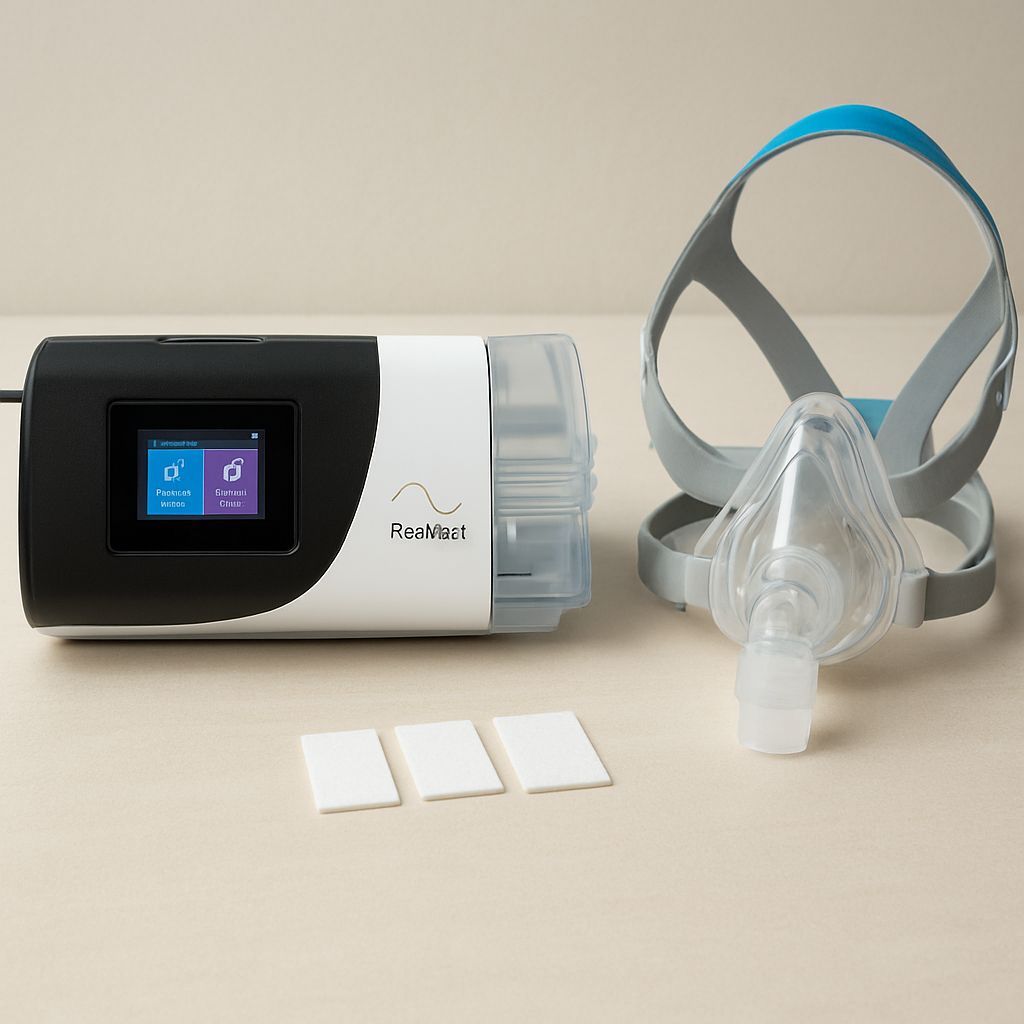
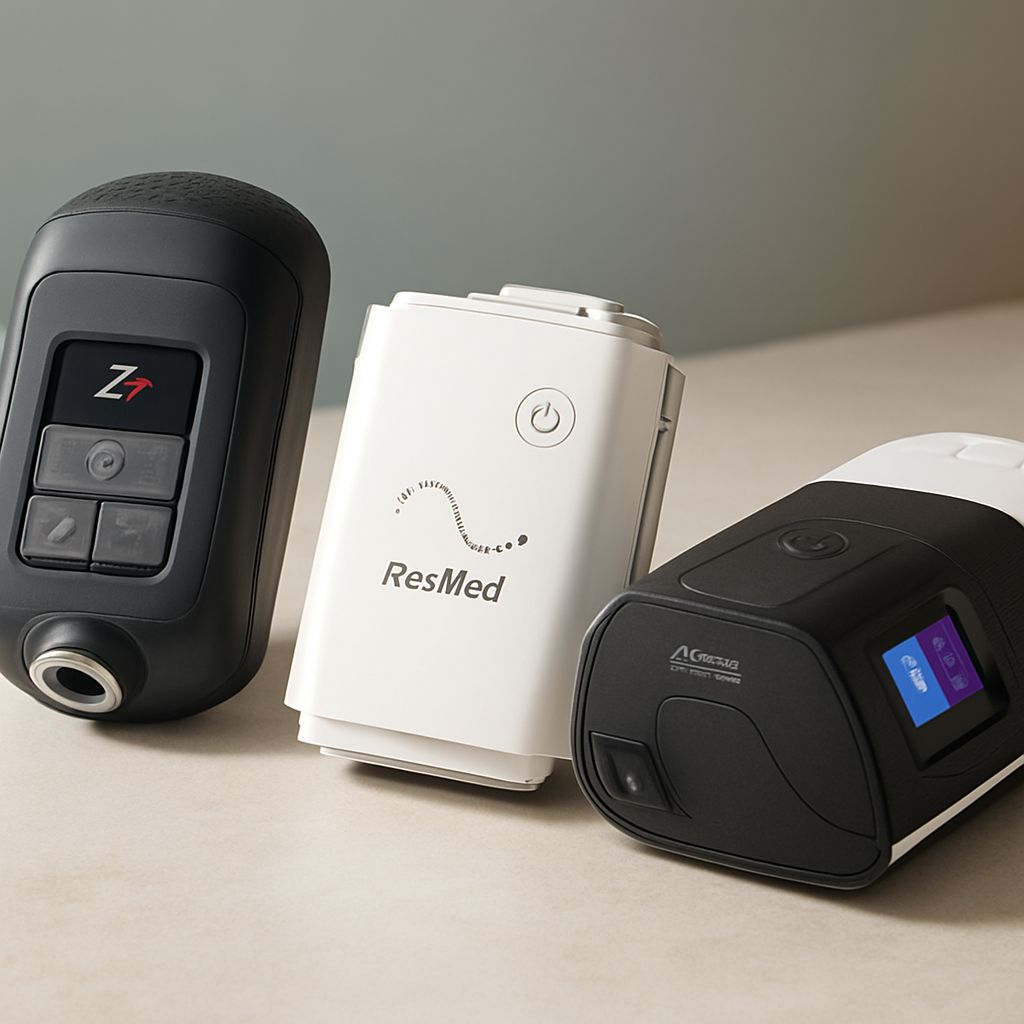
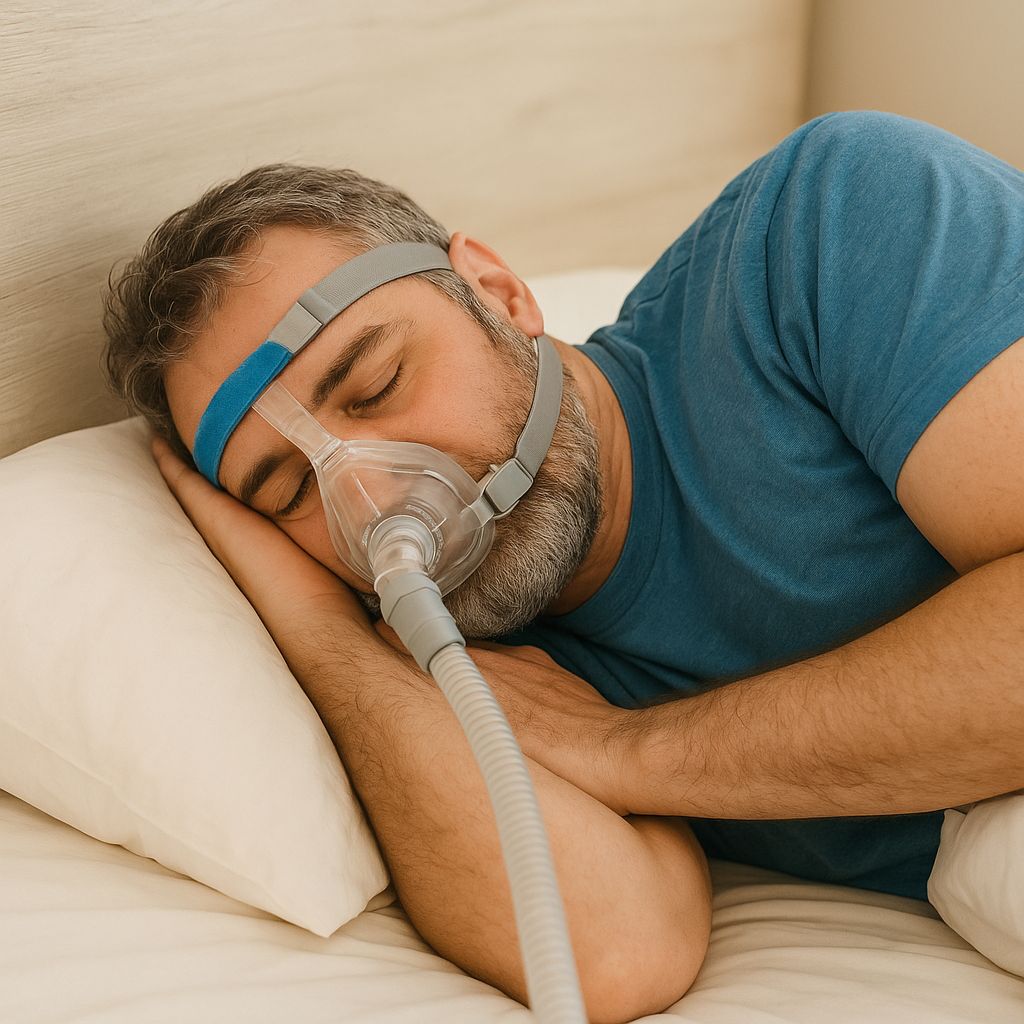
CPAP machine rental is how most insurance-covered patients receive their first device—a DME provider supplies the machine on a monthly rental basis and bills the insurer until compliance is confirmed and the rental converts to purchase. Those who want to rent cpap machine without an insurance arrangement have fewer options; direct-to-consumer rental is uncommon and usually more expensive than outright purchase from an online supplier. Decisions about whether to sell cpap machine units that are no longer needed affect both the secondary market supply and the potential for other patients to access affordable equipment. Refurbished cpap machines from certified suppliers are a legitimate, cost-effective path for patients who are paying out of pocket or are between insurance coverage periods. The choice to sell used cpap machine equipment depends on whether the device has been recalled (check the FDA MedWatch database before selling), whether the internal data has been cleared, and whether the machine is within its rated service life.
Rental Mechanics and Insurance Timing
How Long Rental Lasts Before Purchase
Standard DME rental periods for CPAP machines are 10–13 months under Medicare and most commercial insurance. During the rental period, the insurer pays a monthly amount to the DME provider. After the rental period ends, ownership typically transfers to the patient at no additional cost. The compliance monitoring requirement—4 hours per night, 70% of nights in a 30-day window—must be met during the first 3 months; failure to meet compliance can interrupt the rental and require restart from the beginning.
Travel rentals are a separate category. Several online DME providers offer weekly cpap machine rental arrangements for travelers who cannot bring their primary machine. These typically run $30–$75 per week depending on machine type and include shipping both ways. A prescription is still required even for short-term rentals through legitimate DME channels.
Buying and Selling in the Secondary Market
Refurbished cpap machines from reputable suppliers have been inspected, sanitized, run-hour checked, and data-cleared by certified CPAP technicians. Run-hour data (accessible through the device’s service menu) indicates total machine usage; most machines have rated service lives of 50,000–70,000 hours. A machine with 20,000 hours remaining is a meaningful purchase; one with 500 hours remaining is not, regardless of how clean it appears externally.
Patients who want to sell cpap machine units after upgrading or discontinuing therapy should check whether the device appears on any recall list before listing. The ResMed Astral and Phillips DreamStation recalls affected large numbers of devices and created significant secondary market liability for uninformed sellers. Data clearing—removing the previous patient’s therapy data from the SD card or modem—is both a privacy requirement and a prerequisite for any legitimate sale.
To sell used cpap machine units safely: factory-reset the device through the provider or clinician mode menu, remove and discard the SD card, list only the machine body (not the mask, which is a single-patient device), and disclose the approximate run hours. Most secondary market platforms require a prescription acknowledgment from the buyer, which shifts compliance responsibility appropriately.