CPAP No Prescription: What You Can Buy and What Requires a Doctor
The question of cpap no prescription access separates what is legally available without a doctor’s order from what actually constitutes effective sleep apnea treatment. A non prescription cpap does not exist in the United States in the strict sense—FDA regulations classify CPAP machines as Class II medical devices requiring a prescription for purchase through licensed channels. However, a cpap mask without prescription is entirely obtainable; mask accessories, replacement cushions, headgear, and filters are sold without prescription requirements from online and retail suppliers. CPAP masks without prescription availability means that patients who already have a diagnosed apnea can replace consumable parts without clinical involvement. The question of can you buy a cpap machine without a doctor has a nuanced answer: direct purchase through some online marketplaces is technically possible but voids insurance coverage and removes the clinical oversight that identifies dangerous pressure misconfiguration.
What the Rules Actually Allow
In the United States, CPAP machine purchase from licensed DME suppliers requires a valid prescription. International purchases—often through Canadian or Australian online pharmacies—operate under different regulatory frameworks, and some US consumers purchase through these channels. The machine itself will function the same way, but returns, warranty service, and insurance reimbursement are complicated by cross-border purchase.
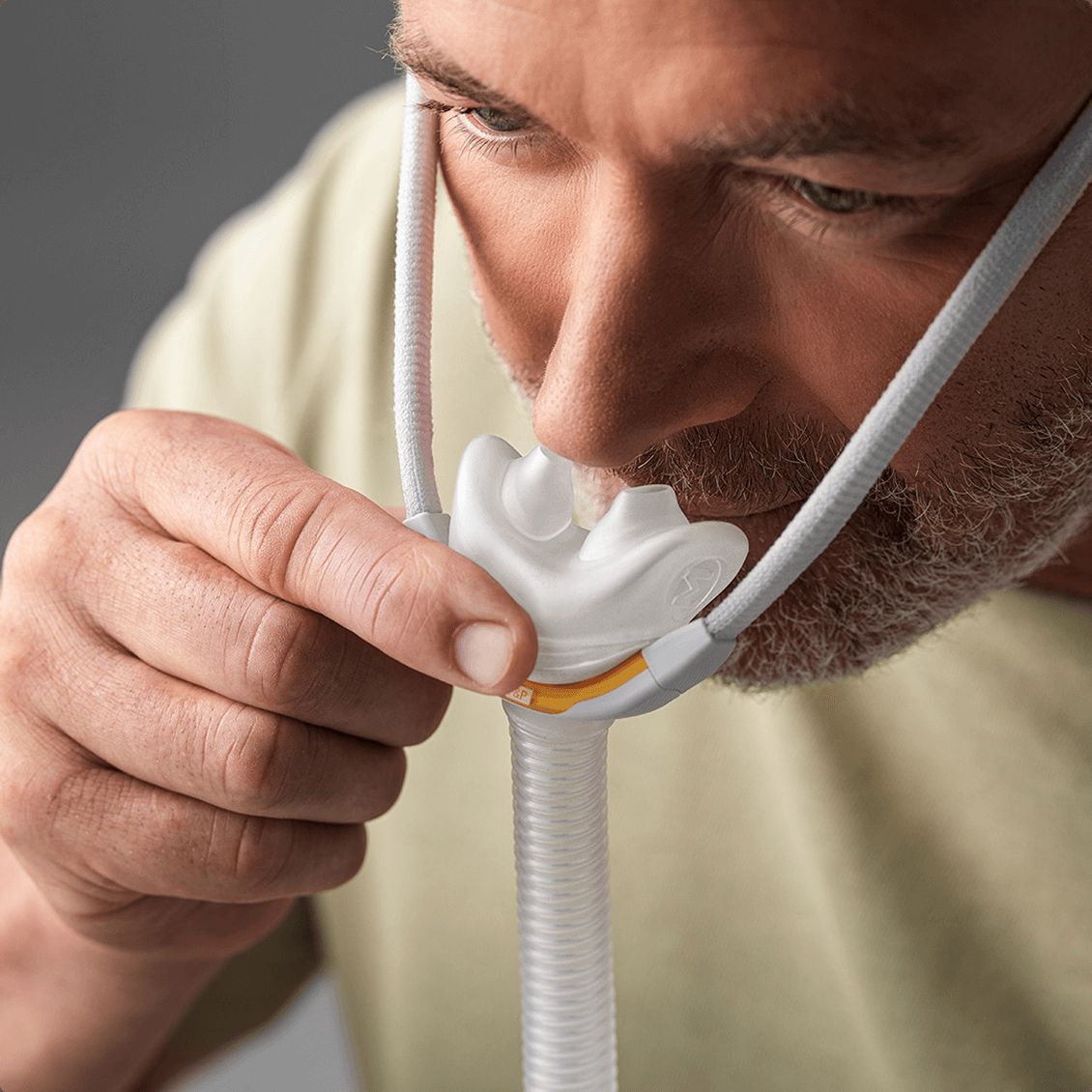
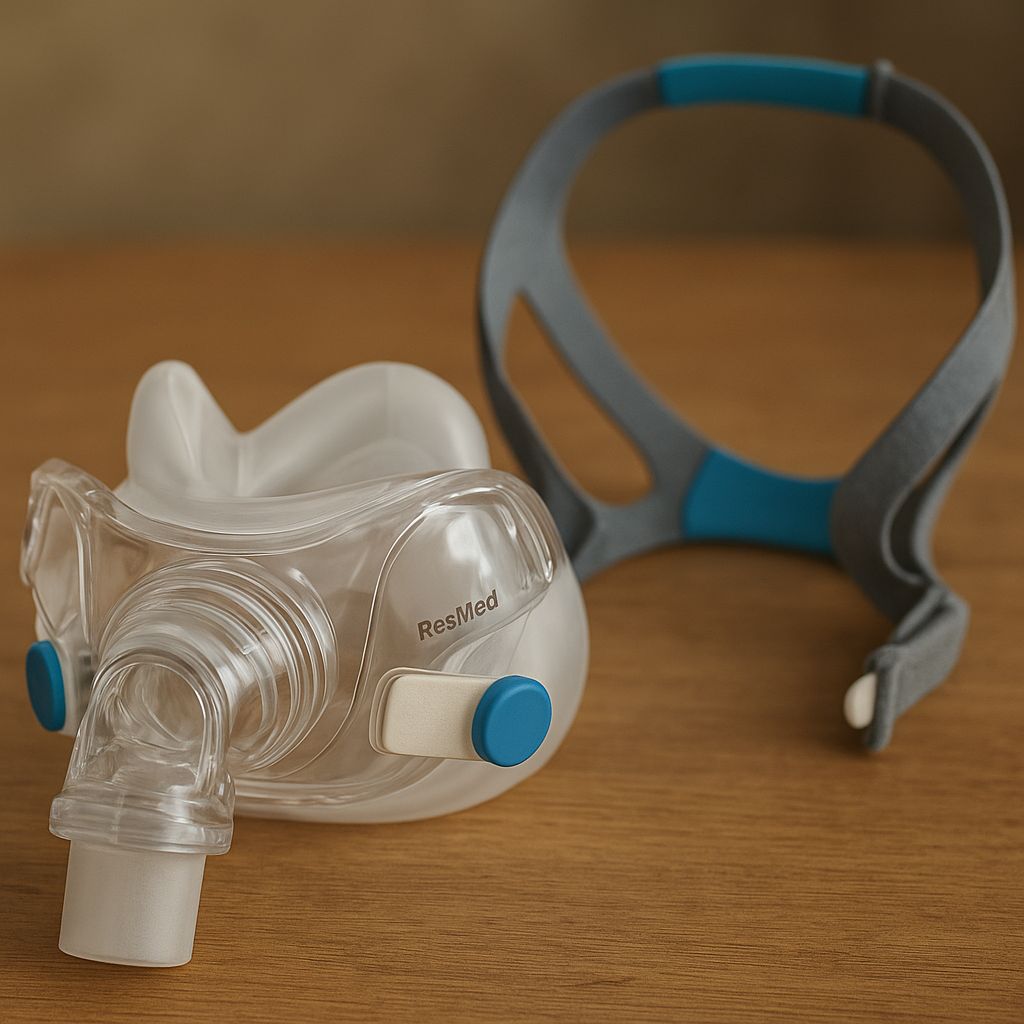
Cpap mask without prescription access is unrestricted. Cushions, headgear, hose connectors, filters, and water chambers are sold as individual replacement parts on platforms like Amazon and through dedicated CPAP supply retailers. Prices vary by brand: ResMed and Phillips cushions run $15–$35 each, while generic-compatible alternatives run $5–$12. Quality on generic cushions varies; silicone hardness, sag resistance over time, and seal performance differ measurably from OEM parts at extended use periods.
CPAP masks without prescription for newer patients who have never used CPAP should ideally still involve a fitting appointment. Mask selection based on facial geometry, pressure range, and sleeping position significantly affects therapy effectiveness. A mask that leaks at the prescribed pressure renders the therapy ineffective regardless of how well the machine is configured. Many DME providers offer free mask fittings before or after prescription pickup.
Key takeaways: masks, cushions, and accessories are purchasable without a prescription; machines require one through US-licensed channels; and attempting to run a CPAP machine at a self-selected pressure without sleep study data can either under-treat apnea—leaving the condition active—or over-pressurize the airway, causing aerophagia (air swallowing), central apnea events, and treatment-emergent complex sleep apnea that is worse than the original condition.