Distilled Water for CPAP: Chamber Care, Alternatives, and Aromatherapy
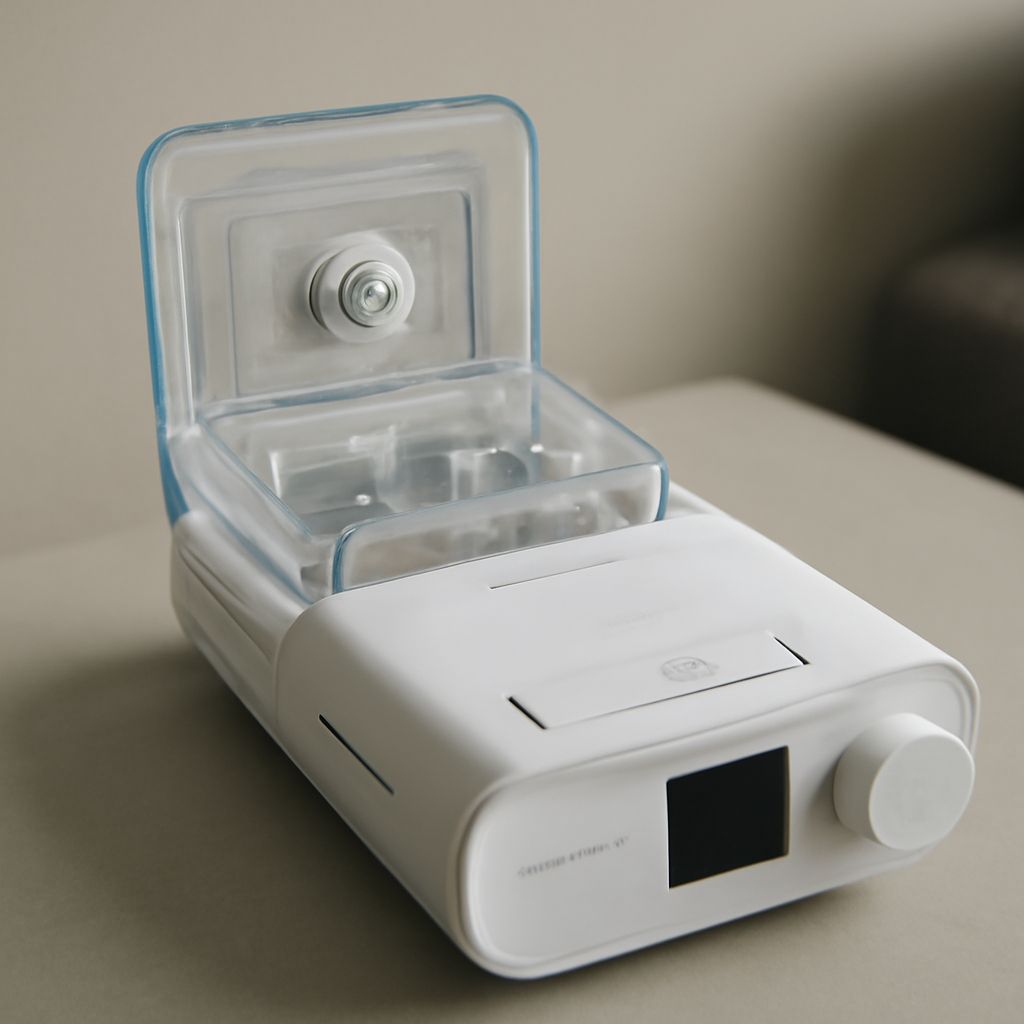
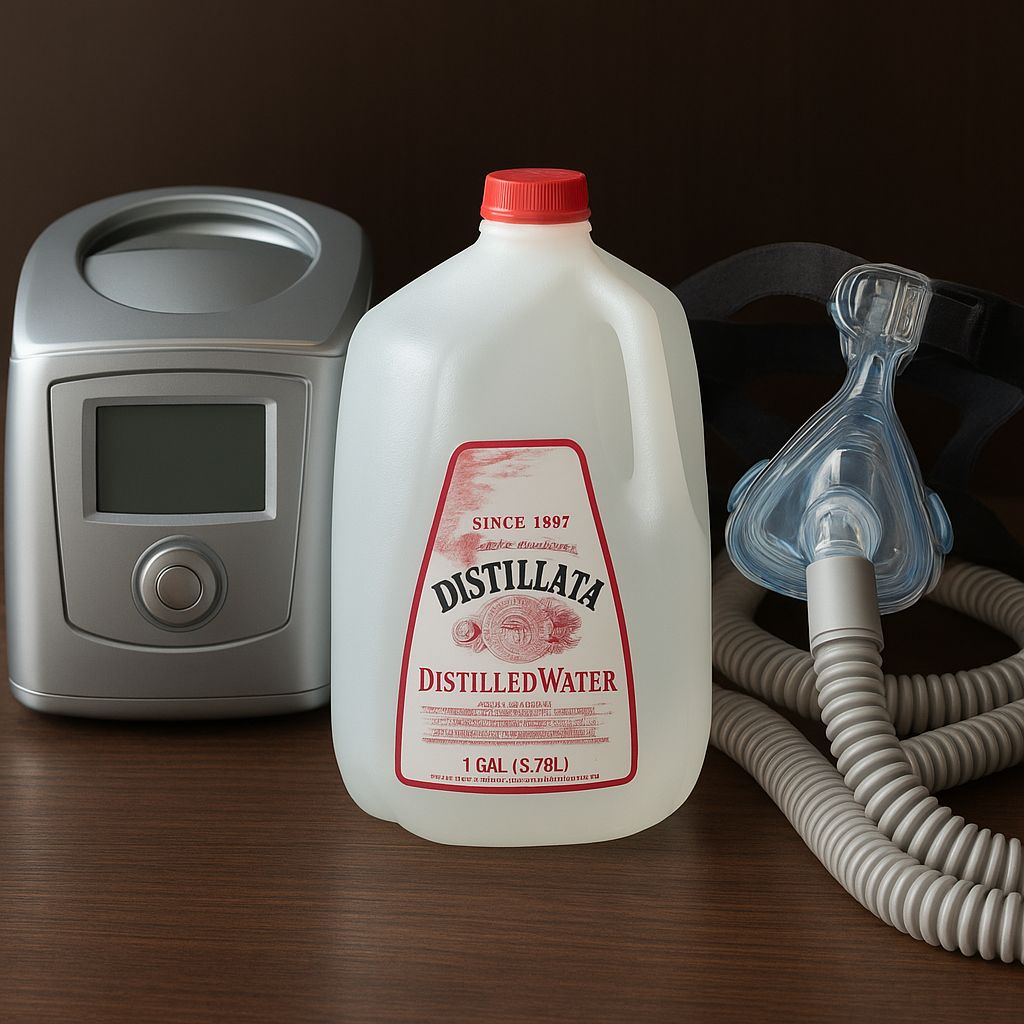
Distilled water for cpap is not a preference—it is the only recommended water type for the humidifier chamber across all major CPAP manufacturer guidelines. A cpap water chamber filled with tap water accumulates mineral deposits on the heating plate within 4–6 weeks, reducing heating efficiency and creating a surface for biofilm growth. Whether one can use cpap without water is a legitimate question for travelers or those who run out of distilled water: the machine will operate in dry mode, but the result is increased airway dryness and potential cpap sore throat by morning. CPAP Plus mode refers to a therapy setting on certain ResMed devices that combines auto-adjusting pressure with enhanced humidity management—it is not a separate product but a feature. CPAP aromatherapy—adding essential oils to the water chamber—is consistently contraindicated by all CPAP manufacturers and is not a safe practice.
Water Chamber Maintenance and Alternatives
Why Distilled Water Matters
The mineral content of tap water—primarily calcium and magnesium—deposits as white or gray scale on the heating plate when the water evaporates during humidification. This scale layer acts as a thermal insulator, meaning the plate must reach higher temperatures to produce the same humidity output, which increases energy consumption and stresses the heating element. After 6–8 weeks of tap water use, mineral buildup typically reduces heating efficiency by 15–25% compared to a clean plate.
Distilled water for cpap removes this variable by eliminating minerals before they enter the chamber. Grocery store distilled water costs $0.80–$1.20 per gallon; a typical chamber uses 100–150ml per night, making a gallon last approximately 25 nights. The cost difference between tap and distilled is approximately $5–6 per month—a negligible expense compared to the cost of replacing a water chamber due to mineral damage.
Dry Mode and Aromatherapy Risks
To use cpap without water is straightforward: empty the chamber, leave it in place but unfilled, and run the machine normally. The humidifier heater will either disable automatically (on machines that detect water level) or remain on but produce no moisture. Dry mode is appropriate for 1–2 nights without significant airway consequences for most users. Beyond 2–3 nights, mucosal dryness begins to impair the cilia that clear particles from the airway, which can increase susceptibility to respiratory infections in prone individuals.
CPAP aromatherapy using essential oils in the water chamber is a recurring online recommendation that all manufacturers explicitly prohibit. Essential oils are lipid-based compounds that coat the silicone tubing, heating plate, and mask cushion with a film that: (1) degrades silicone through lipid permeation over 2–6 weeks, (2) aerosolizes into the airway at concentrations far exceeding safe inhalation exposure limits for most oils, and (3) voids the manufacturer warranty immediately. Diffuse essential oils in the room rather than through the CPAP circuit.
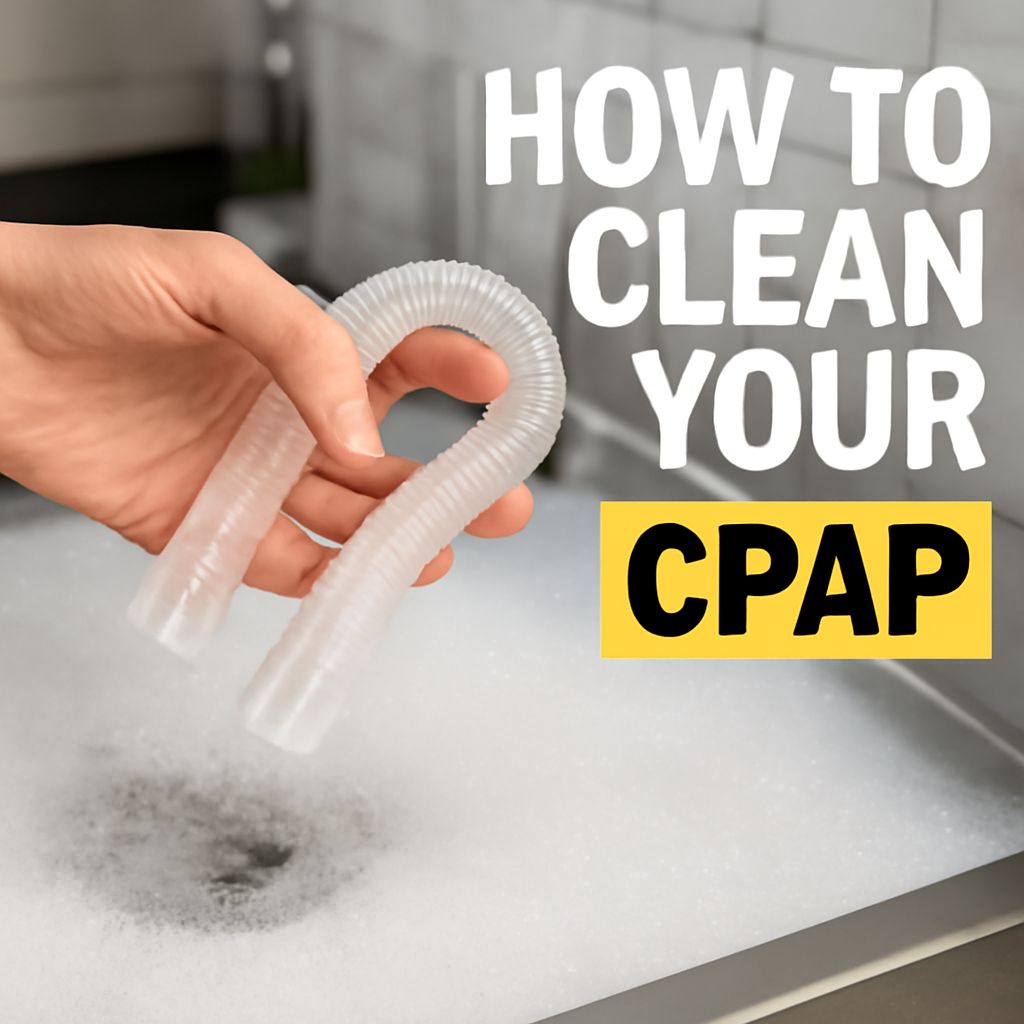
Next steps: purchase distilled water in bulk gallon quantities and store near the machine for convenience; clean the cpap water chamber daily by emptying, rinsing with warm water, and air drying upside down; perform a 30-minute white vinegar soak weekly to remove any mineral trace; and replace the chamber every 6–12 months regardless of visible condition, as silicone degrades invisibly over time and harbors biofilm that cleaning does not fully remove.