Compact CPAP Machine: Travel-Ready Options, Donation Rules, and Mini CPAP Facts
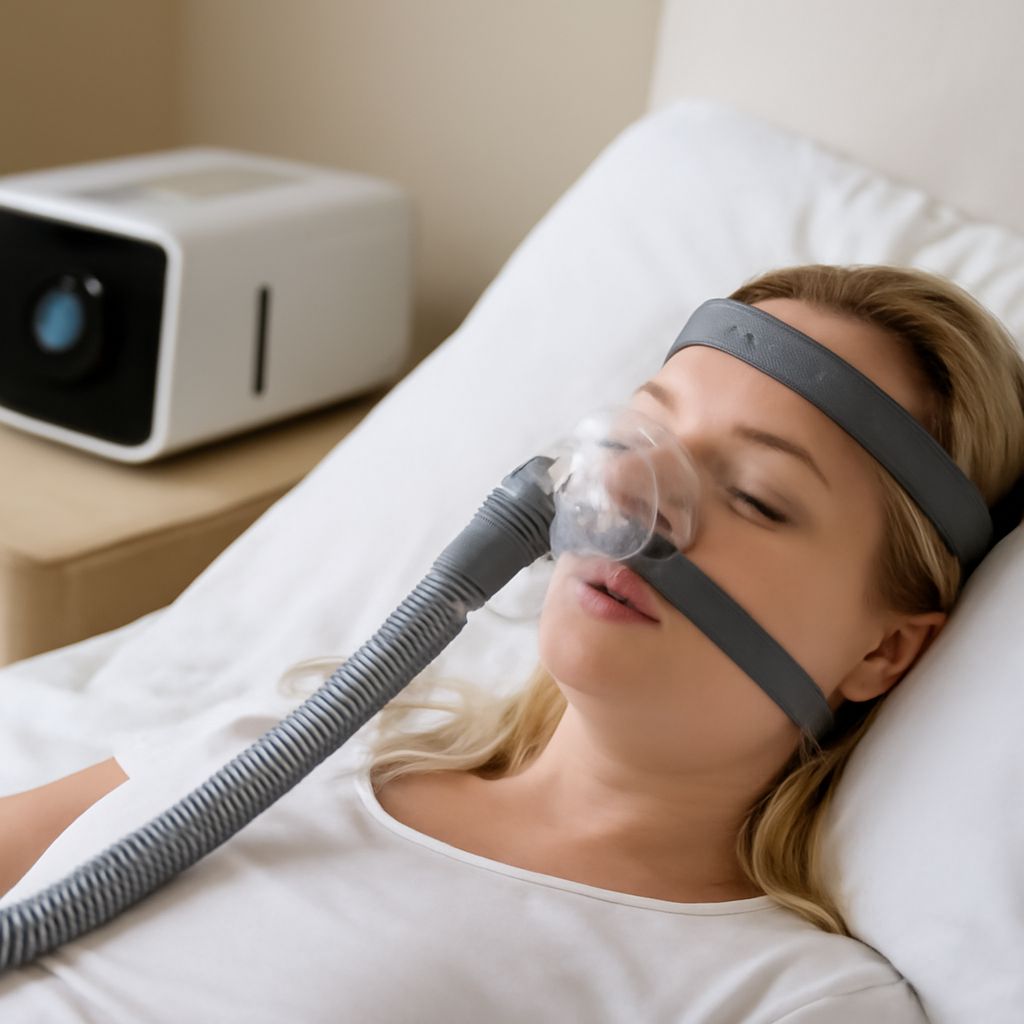
A compact CPAP machine offers the same therapeutic function as a full-sized unit but in a form factor small enough to fit in a carry-on bag or a coat pocket, making consistent therapy possible during business travel, camping, or extended stays away from home. The category has expanded significantly in the past five years, with several FDA-cleared devices now weighing under 10 ounces and measuring smaller than a standard smartphone. For patients who previously skipped CPAP during travel because of the inconvenience of carrying equipment, these units remove the primary barrier to compliance continuity.
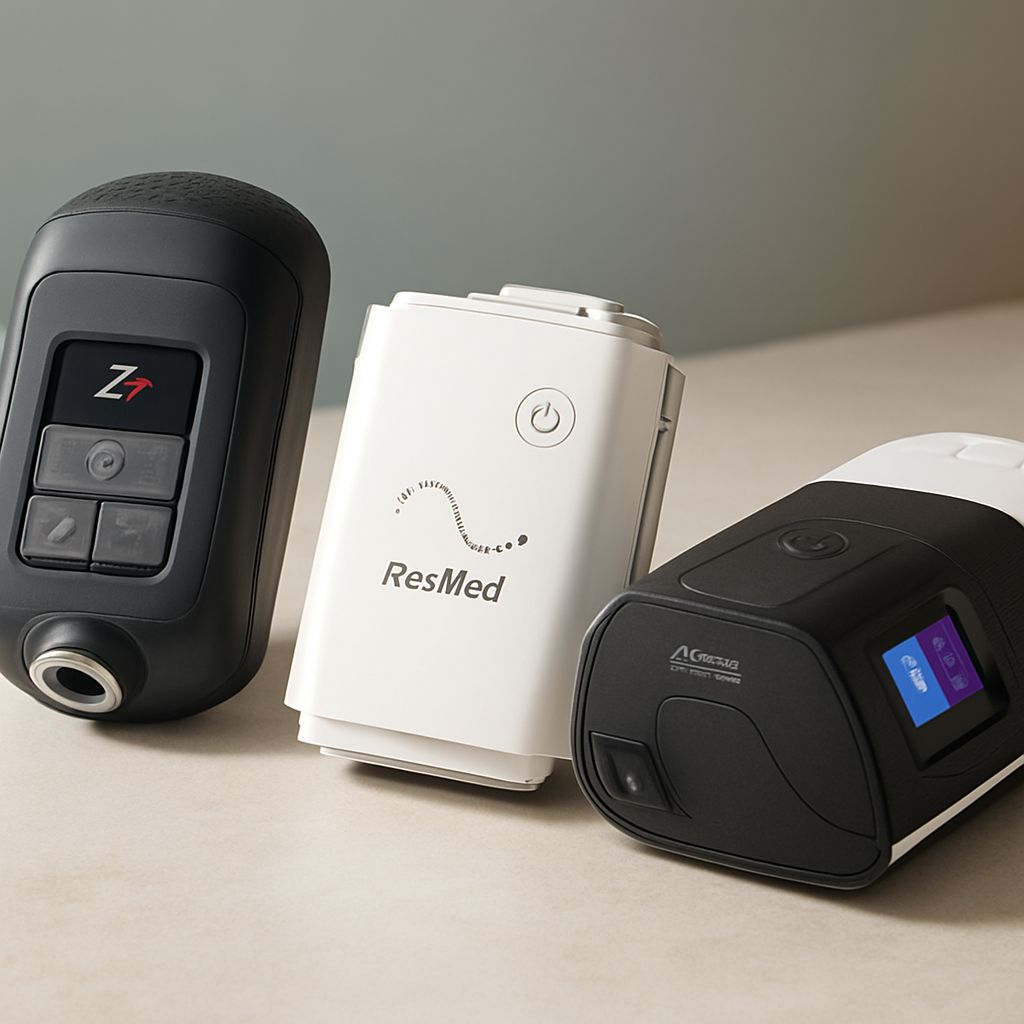
A CPAP mini device typically refers to the smallest class of auto-adjusting units, including models like the ResMed AirMini and the Transcend Mini, both of which use proprietary waterless humidification systems rather than traditional heated water chambers. The traveling CPAP category includes both these dedicated travel units and full-featured machines small enough to qualify as travel-friendly, such as the ResMed AirSense 11, which fits a medium-sized bag and accepts universal power input from 100 to 240 volts. Mini CPAP machines generally sacrifice some data granularity and advanced comfort features to achieve their size reduction, which matters for patients whose physicians rely on detailed event-by-event download reports for titration decisions. Some patients want to donate CPAP machine equipment after transitioning to a different device; understanding what is and is not permissible prevents inadvertent violations of FDA and charitable organization policies.
What to Look for in a Traveling CPAP Device
The most important specification for a traveling CPAP is power input compatibility. Devices rated for 100 to 240 volts, 50/60 Hz accept any outlet in the world with only an adapter plug; those rated for 120 volts only require a step-down transformer in most international destinations, adding bulk and cost. Aircraft compatibility is a secondary concern: FAA regulations permit CPAP use during flight if the device is cleared as a medical device, but some compact CPAP machine models require an airline letter before they are accepted for in-flight use.
Battery compatibility extends usefulness for camping or power outages. The CPAP mini units from ResMed and Transcend both support dedicated battery packs; the AirMini’s battery pack provides approximately 8 to 13 hours depending on pressure settings and humidity mode. Third-party battery packs compatible with full-sized traveling CPAP units may offer longer runtime at a lower cost but require voltage output verification against the device’s input specifications before purchase.
Donating a CPAP Machine: Rules and Restrictions
To donate a CPAP machine, the equipment must meet several conditions. The device must be in functional condition with no motor alarms, no water damage, and firmware that can be reset to factory settings to remove personal health data. Prescription status varies by jurisdiction; in the United States, CPAP is a Class II medical device requiring a physician’s prescription, which means a donated unit can be accepted by charitable organizations but cannot legally be resold to an individual by a non-licensed entity. Organizations such as CPAP Assistance Program, Affordable CPAP, and some DME suppliers accept donated units, refurbish them, and redistribute them to uninsured or underinsured patients through proper channels. Donating directly to another individual without going through a licensed organization may violate FDA device regulations depending on state law.
Travel Tips for CPAP Users
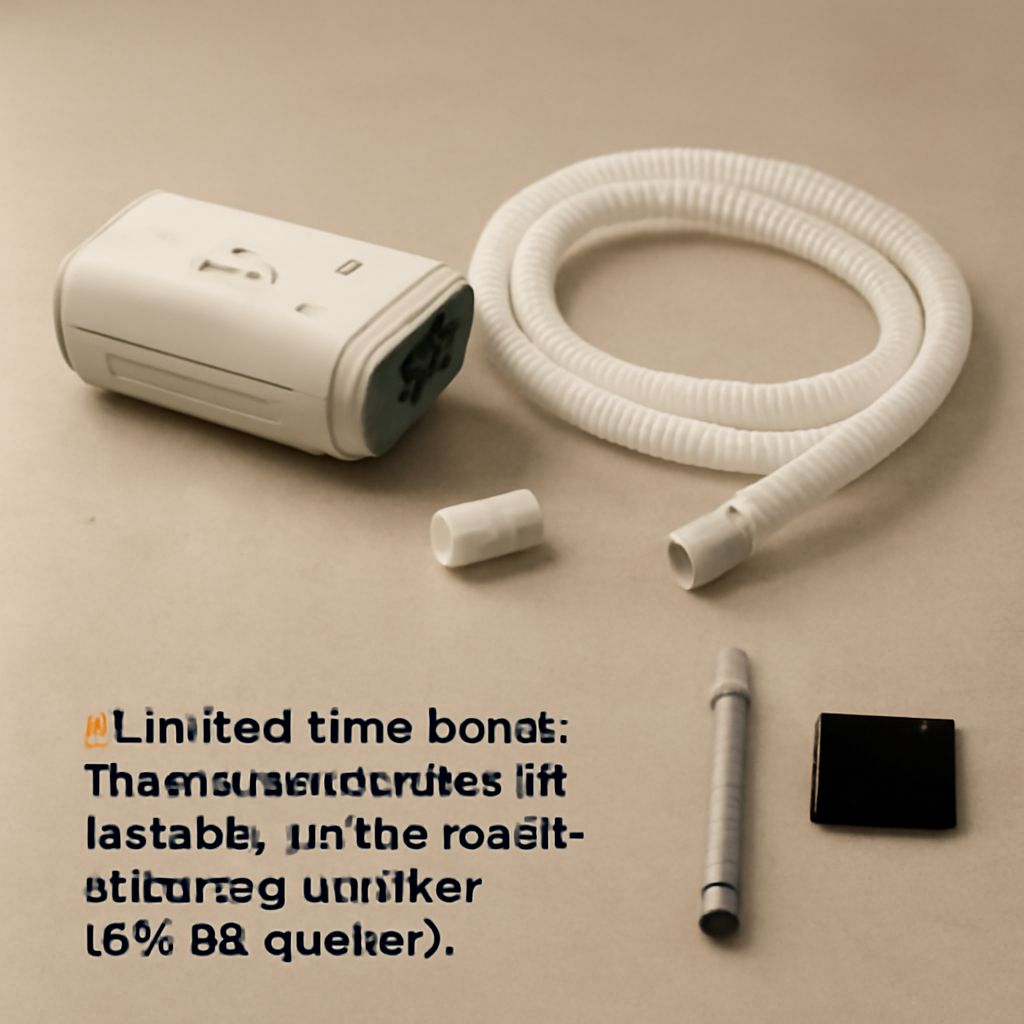
Documenting CPAP therapy with a TSA or airport security letter from the prescribing physician eliminates checkpoint delays and removes ambiguity about whether the device is a carry-on medical item or a consumer electronic. Most travel CPAP units come with a hard-shell case; storing the unit in that case rather than in a general luggage compartment protects the motor from vibration and reduces the chance of a zipper accident damaging the device.
Distilled water remains the recommended humidifier fill for compact CPAP machines that use water chambers. In destinations where distilled water is unavailable, running a session without the humidifier is preferable to using tap water, which leaves mineral deposits in the chamber and tubing that reduce heat exchange efficiency over time. Mini CPAP machines with waterless humidification sidestep this problem entirely because they condition air through a membrane rather than a water reservoir.
- Choose a compact CPAP machine rated 100 to 240 volts for international travel compatibility.
- Verify battery pack voltage output against the device’s input specification before purchase.
- Carry a TSA letter to avoid checkpoint delays when flying with CPAP equipment.
- Donate CPAP machine equipment through a licensed organization rather than directly to an individual.
- Use distilled water in water-chamber models; opt for waterless humidification when traveling to areas where distilled water is scarce.
Pro tips recap: The compact CPAP machine category rewards comparison on three axes: weight, battery compatibility, and data reporting depth. A traveler who also needs frequent therapy adjustments benefits from a model that generates full event-by-event reports despite its small size, while a stable patient who only needs compliance documentation can accept a simpler data format in exchange for lower weight and cost.