Restorative Sleep: What It Is and How to Achieve It
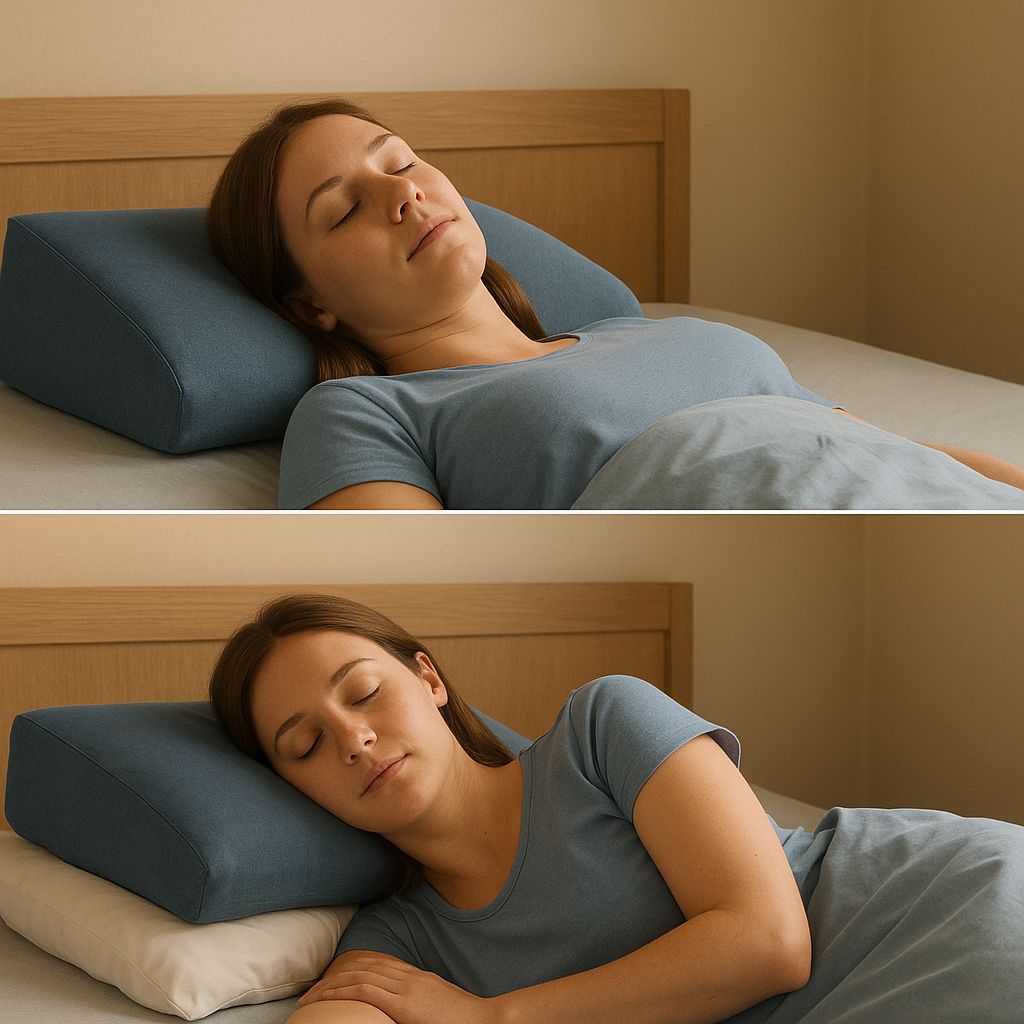
Restorative sleep describes the specific stages of the sleep cycle where tissue repair, memory consolidation, and hormonal regulation occur — primarily slow-wave sleep (N3) and REM sleep. A sleep fan running at low volume contributes to restorative sleep by masking inconsistent environmental sounds that cause micro-arousals without waking the sleeper fully. A sleep sheep, or white noise machine, works on the same acoustic masking principle and is commonly used for both infants and adults who share bedrooms with partners whose breathing or movement disrupts sleep. The phrase restorative sleep applies to quality of sleep rather than duration alone; someone sleeping 9 hours with frequent fragmentation may get less restorative deep sleep than someone sleeping 7 hours with uninterrupted architecture. Achieving genuinely deep, restorative sleep requires understanding which behavioral and environmental inputs reliably extend slow-wave and REM time.
This guide examines the neurophysiology of restorative sleep stages, the environmental tools that support them, and behavioral practices that reliably increase deep sleep time.
Sleep Architecture and What Makes Sleep Restorative
Slow-Wave Sleep and Growth Hormone
Slow-wave sleep, also called N3 or deep sleep, is characterized by high-amplitude delta waves at 0.5 to 4 Hz on an EEG trace. Growth hormone secretion peaks during the first slow-wave sleep episode of the night, typically 60 to 90 minutes after sleep onset. This growth hormone pulse drives protein synthesis, cellular repair, and immune function. Adults typically spend 15 to 25 percent of total sleep time in slow-wave sleep, declining progressively with age from roughly 25 percent in young adults to under 10 percent after age 60.
Anything that delays sleep onset or fragments the first sleep cycle reduces the intensity of that growth hormone pulse. Common fragmenters include sleep apnea (breathing pauses above 10 seconds), pain, and environmental noise that crosses the micro-arousal threshold of roughly 52 decibels. A steady-state masking sound from a sleep fan or white noise device keeps the acoustic environment below the arousal threshold even when a louder external event occurs, because the masking signal reduces the signal-to-noise ratio of the intrusion.
REM Sleep and Cognitive Recovery
REM sleep comprises the final portion of each 90-minute sleep cycle and extends in duration across the night, with the longest REM episodes occurring in the last two hours before waking. Memory consolidation for procedural and emotional memories relies heavily on REM. Alcohol suppresses REM sleep in the second half of the night even at moderate doses (two drinks within two hours of bedtime), cutting REM time by 20 to 30 percent and reducing the consolidation of memories formed the previous day.
Core body temperature must drop approximately 1 to 2 degrees Celsius from its daytime baseline for both slow-wave and REM sleep to occur efficiently. A bedroom temperature of 16 to 19 degrees Celsius (60 to 66 degrees Fahrenheit) supports this drop. A sleep fan contributes to temperature regulation directly by moving air across skin, which accelerates heat dissipation through convection.
Environmental and Behavioral Tools
White noise machines and dedicated sleep sheep devices generate broadband noise between 40 and 60 decibels continuously. The specific sound profile matters: pink noise (more low-frequency energy than white noise) has shown in controlled studies to increase slow-wave sleep time by up to 11 percent compared to silence, possibly because its frequency envelope matches naturally occurring environmental sounds like rainfall, which the brain treats as acoustically safe.
Behavioral inputs that reliably extend restorative deep sleep include: consistent wake time (the anchor point for circadian alignment), avoidance of blue light 90 minutes before bed (suppresses melatonin onset), and vigorous aerobic exercise completed at least 4 hours before sleep (elevates adenosine and increases homeostatic sleep pressure that converts to slow-wave time). Magnesium glycinate at 200 to 400 mg taken 30 minutes before bed has shown preliminary evidence for increasing slow-wave time in magnesium-deficient adults, though evidence in adequately nourished individuals is weaker.
Key Takeaways
Restorative sleep is measured in slow-wave and REM time, not total hours alone. A sleep fan or sleep sheep controls the acoustic environment cost-effectively, reducing micro-arousals that fragment the first sleep cycle. Consistent wake time, cool room temperature, and alcohol avoidance protect REM architecture in the second half of the night where cognitive recovery is concentrated.