Why Do I Drool When I Sleep? Causes and Solutions
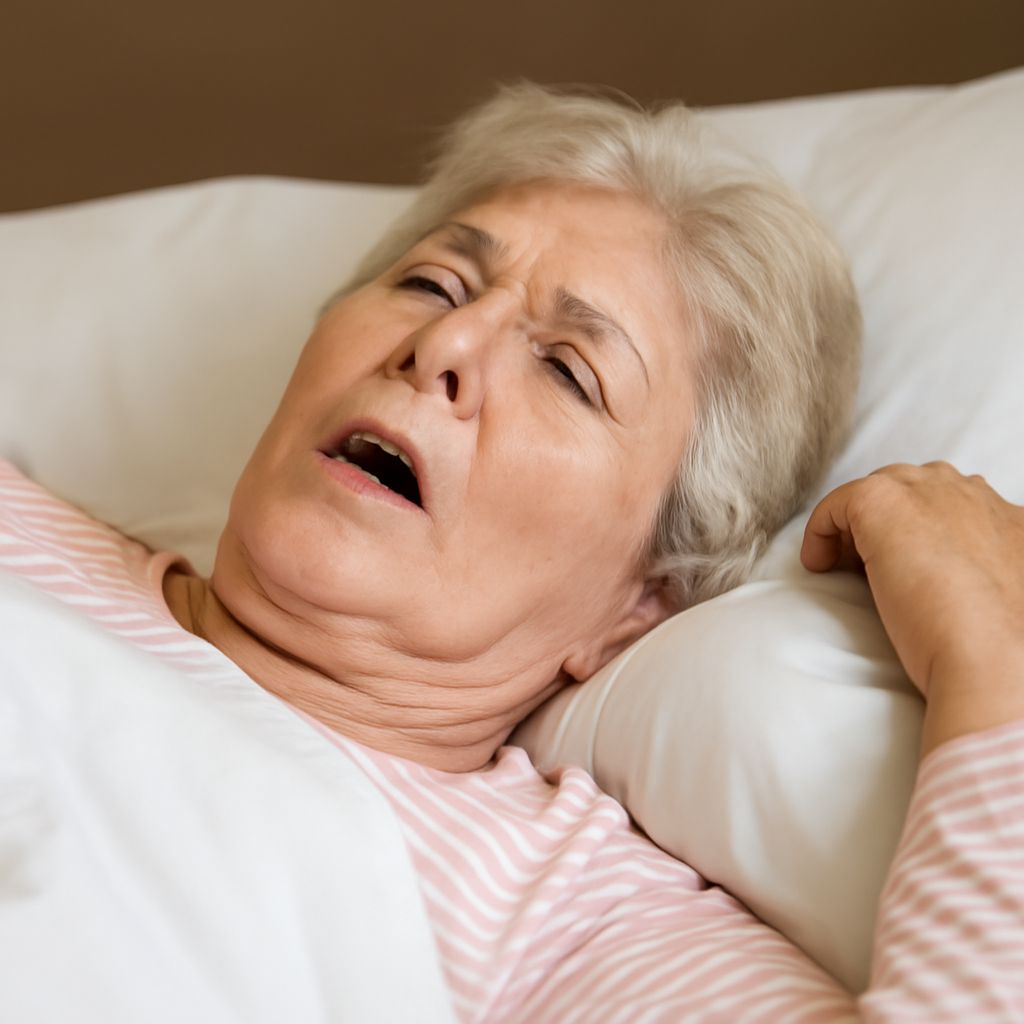
Why do i drool when i sleep is one of the more common questions people have about their sleep behavior, and the answer involves both anatomy and neurological changes during sleep. Why do i drool so much when i sleep specifically often points to side sleeping, which opens the mouth and creates a gravity-assisted path for saliva to exit. Why do people drool when they sleep in general comes down to the combination of reduced muscle tone during deep sleep — including the muscles that keep the lips sealed — and the continuous saliva production that runs at roughly 0.5 to 1.5 liters per day regardless of sleep. Drooling during sleep becomes a concern when it is new, sudden, or accompanied by other symptoms, as it can indicate a change in nasal patency, new medication effects, or neurological changes. Drool in sleep that leaves a consistent wet spot in a fixed position typically indicates habitual side sleeping with mouth breathing rather than a medical issue, and position changes alone often resolve it.
This article explains the main causes by category and identifies which cases warrant medical evaluation.
Anatomy and Sleep Physiology
During waking hours, swallowing occurs roughly 600 to 700 times per day, clearing saliva from the mouth continuously without conscious effort. During sleep, swallowing frequency drops to 3 to 10 times per hour. When saliva production continues but swallowing rates drop by 95 percent, any saliva that accumulates in the mouth and is not cleared by swallowing eventually exits through gravity. Side and stomach sleepers present this problem most acutely: the lateral or prone position allows saliva to pool at the corner of the mouth and flow outward within 20 to 40 minutes.
Muscle tone across the body drops during non-REM sleep and nearly disappears during REM (REM atonia). The orbicularis oris — the ring of muscle that seals the lips — is included in this atonia, meaning lips that appear sealed during light sleep may part slightly during deeper stages. This explains why drool in sleep often appears more voluminously during early morning hours when REM episodes are longest.
Common Causes and Contributing Factors
Nasal obstruction is among the most frequent contributors to drooling during sleep. When the nasal airway is blocked by congestion, a deviated septum, or enlarged turbinates, mouth breathing begins. Open-mouth breathing bypasses the tongue-palate contact that normally dams saliva at the back of the mouth. Treating the underlying nasal obstruction — whether with a saline rinse, topical steroid spray, or a surgical consultation — often resolves the drooling within days.
Medications with sialagogue effects (saliva-stimulating) or those that reduce muscle tone include some antipsychotics (clozapine specifically increases drooling during sleep in up to 80 percent of users), some anticholinesterase drugs, and certain antidepressants. New-onset drooling after a medication change warrants a conversation with the prescriber about timing or dose adjustment.
Sleep position is the simplest modifiable factor. Transitioning from side to back sleeping reduces gravity-driven drool pathways immediately. A wedge pillow that elevates the head 15 to 20 degrees encourages back positioning and keeps the tongue in a forward position that reduces open-mouth breathing.
When to See a Doctor
Drooling during sleep that is sudden in onset after years of no such issue, associated with facial asymmetry, difficulty swallowing while awake, or slurred speech warrants prompt medical evaluation for neurological causes including Bell’s palsy or early stroke signs. Persistent drooling unresponsive to position changes and nasal treatment in adults under 50 should prompt assessment for sleep apnea, as repetitive arousal events cause increased air hunger and mouth-breathing cycles.
Pro tips recap: switch to back sleeping with a slightly elevated head position as the first intervention; address nasal congestion if present; review any recently changed medications with a prescriber if drool in sleep is a new development after a medication change.