Can You Die From Sleep Apnea? Risks and What the Data Shows
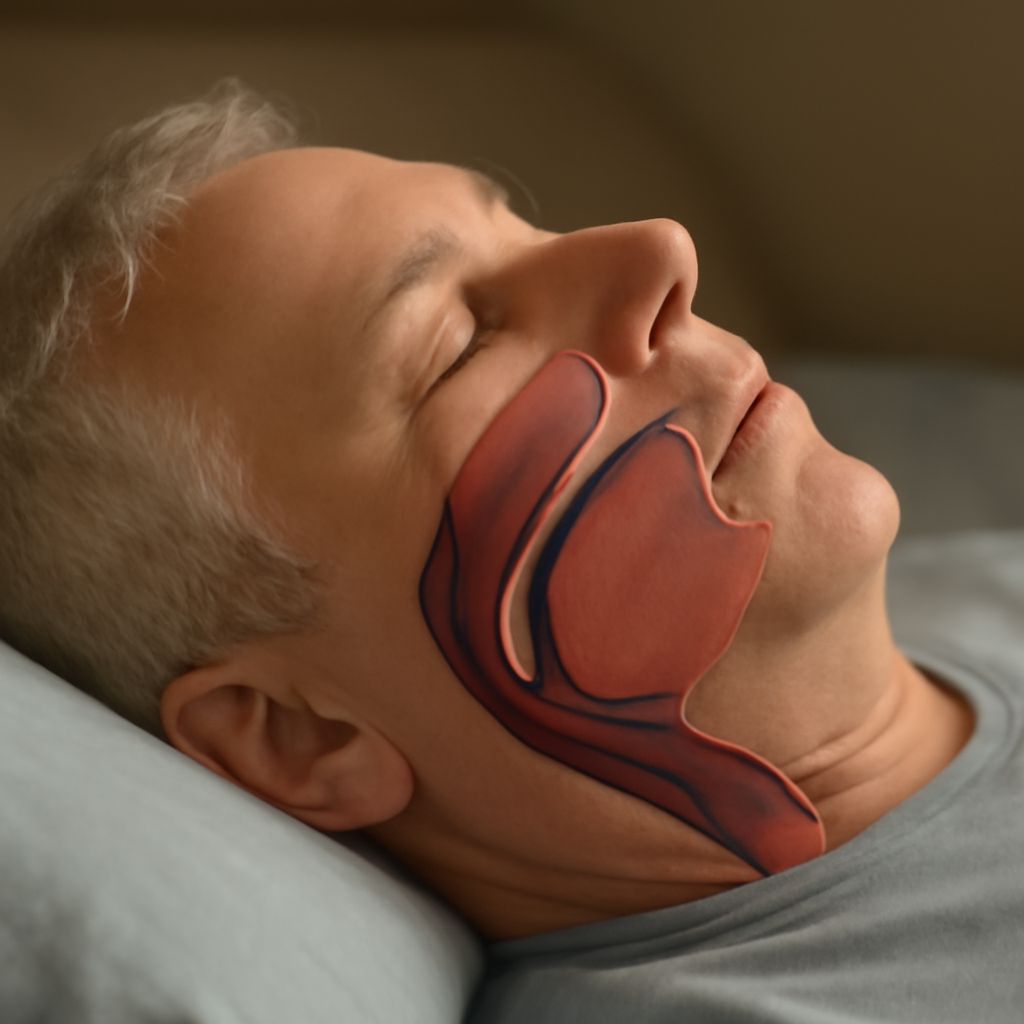
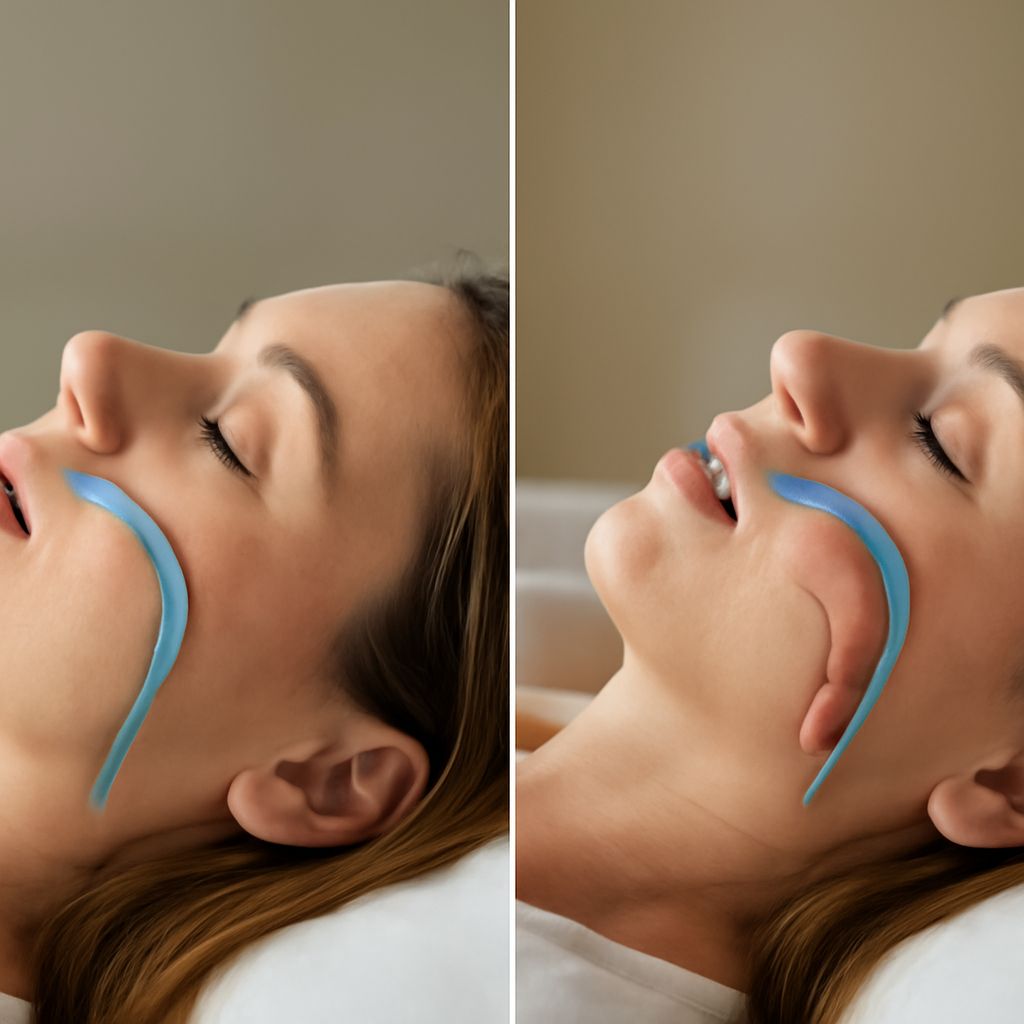
Can you die from sleep apnea is a question clinicians hear regularly, and the honest answer is that untreated severe sleep apnea meaningfully increases mortality risk through cardiovascular, cerebrovascular, and metabolic pathways. Is sleep apnea deadly in every case? No — mild to moderate obstructive sleep apnea in otherwise healthy adults carries a lower absolute risk, but the relative risk of adverse cardiovascular events increases with apnea severity. Can sleep apnea cause death directly during a sleep episode? Direct death from sleep apnea during an event is uncommon; the mechanism is more commonly cumulative, as repeated oxygen desaturation and arousal events over years strain the heart and vascular system. Death from sleep apnea most commonly occurs through hypertensive heart disease, atrial fibrillation, or stroke rather than acute asphyxiation. Can you die from central sleep apnea specifically carries a distinct risk profile, as central events are associated with Cheyne-Stokes breathing in heart failure patients, where the cardiac and respiratory failure compound each other.
This article presents the mortality data and explains which patient profiles face the highest risk.
Cardiovascular Mortality and Severe OSA
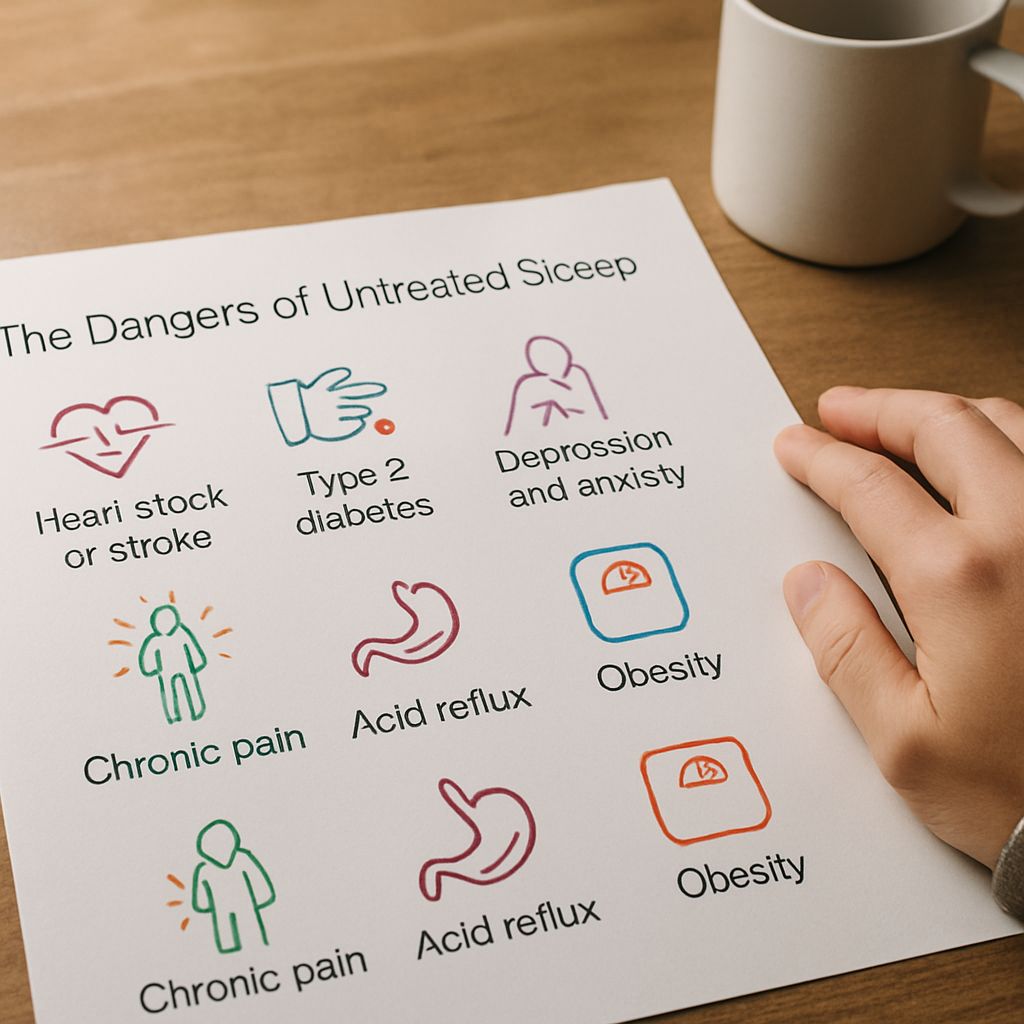
The Wisconsin Sleep Cohort, a long-running prospective study, found that severe obstructive sleep apnea (AHI above 30) was associated with a 3-fold increase in all-cause mortality over an 18-year follow-up compared to no sleep apnea, after adjusting for age, sex, BMI, and smoking. Cardiovascular mortality specifically showed a 5.2-fold increase in the same severe OSA group. These numbers represent the cumulative effect of repeated hypoxia on cardiac remodeling, endothelial dysfunction, and autonomic nervous system stress.
The mechanism involves nighttime oxygen desaturation causing catecholamine surges that raise heart rate and blood pressure during each apnea event. Over years, these surges cause left ventricular hypertrophy, increase the risk of atrial fibrillation (which itself raises stroke risk), and accelerate atherosclerosis through oxidative stress on vessel walls. Patients with untreated severe OSA who already have cardiovascular disease face compounding risk — the same apnea events that would cause modest strain in a healthy heart can trigger arrhythmia in a diseased one.
Central Sleep Apnea and Heart Failure Risk
Can you die from central sleep apnea at higher rates than from obstructive apnea? In heart failure patients specifically, yes. Central sleep apnea with Cheyne-Stokes breathing — a pattern where breathing waxes and wanes in cycles — occurs in 30 to 50 percent of patients with systolic heart failure. The presence of Cheyne-Stokes breathing in heart failure is independently associated with increased cardiac mortality, with studies showing 2 to 4 times higher 12-month mortality compared to heart failure patients without central apnea.
The interaction is bidirectional: heart failure causes central apnea through reduced cardiac output and hypocapnia, and the apnea events worsen heart failure by increasing sympathetic nervous system activity and reducing cardiac filling time during the hyperpneic phase of each cycle.
CPAP Treatment and Mortality Reduction
Is sleep apnea deadly when treated? CPAP adherence in severe OSA patients reduces the cardiovascular risk substantially. The SAVE trial showed that CPAP in patients with moderate-to-severe OSA and established cardiovascular disease did not reduce major cardiovascular event rates compared to usual care in an intention-to-treat analysis, but adherent patients (using CPAP over 4 hours per night) showed significant event rate reductions. The distinction matters: prescribed CPAP without consistent use provides little protection; consistent use does.
For central sleep apnea in heart failure, adaptive servo-ventilation (ASV) was tested in the SERVE-HF trial and showed increased cardiovascular mortality in patients with reduced ejection fraction — a counterintuitive finding that led to a contraindication for ASV in this population. Treatment of central sleep apnea in heart failure now focuses on optimizing heart failure management first, with respiratory support used cautiously under specialist guidance.